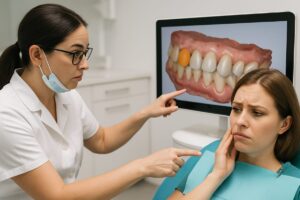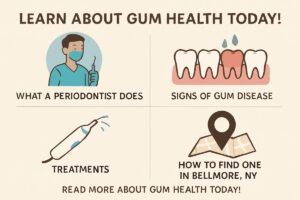
Gum disease can range from mild irritation to serious infection that damages the gums and jawbone. This article explains basic periodontics, what gum disease looks like, and practical treatment options. Read on to learn when to see a specialist and the next steps you can take to protect your oral and overall health.
What Is Periodontics And Why It Matters In Bellmore, NY
Periodontics is the dental specialty focused on the gums and the bones that support your teeth. A periodontist diagnoses and treats gum infections, prevents tooth loss, and restores tissue and bone when needed. Untreated gum disease can lead to loose teeth, bone loss, and higher risk for systemic issues like heart disease and diabetes. Seeking care from periodontics in Bellmore, NY helps preserve both your smile and your health.
Common Signs And Stages Of Gum Disease
Gingivitis Vs. Periodontitis
Gingivitis is the earliest stage of gum disease. Gums may be red, swollen, and bleed easily. It is usually reversible with good home care and professional cleaning. Periodontitis is advanced disease where the infection has moved below the gum line and begun to destroy bone and connective tissue. Periodontitis requires deeper treatment by a periodontist.
Symptoms To Watch For
- Bleeding or tender gums
- Persistent bad breath or bad taste
- Gum recession or longer-looking teeth
- Loose or shifting teeth
- Increased pocket depths between teeth and gums
How Periodontics Treats Gum Disease: Non‑Surgical To Surgical
Non-Surgical Treatments
For many patients, periodontics begins with non-surgical care. Scaling and root planing (deep cleaning) remove plaque and tartar below the gum line. Your periodontist may use local or systemic antibiotics and recommend antimicrobial rinses to lower bacteria. These treatments work best for early to moderate disease and as part of ongoing maintenance.
Minimally Invasive Options
Laser dentistry and other targeted therapies can reduce bacteria and help gums heal with less tissue trauma. These options may be used with deep cleaning to improve outcomes and speed recovery. Minimally invasive care can lower the need for more extensive surgery in some patients.
Surgical Treatments
Surgery is recommended when deep pockets, bone loss, or tissue damage persist despite non-surgical care. Common procedures include flap surgery (to clean roots and reduce pockets), bone grafting (to rebuild lost bone), and ridge augmentation (to restore jaw form). Surgery aims to stop disease progression and create a stable environment for teeth or implants.
Managing Implants And Peri-Implantitis
Gum disease can affect dental implants too, a condition called peri-implantitis. Periodontics in Bellmore, NY treats infections around implants through cleaning, laser therapy, and grafting when needed. Early intervention can save an implant and restore healthy tissue around it.
What To Expect During Your Periodontics Appointment In Bellmore, NY
Initial Exam And Advanced Diagnostics
Your first visit includes a full clinical exam and pocket probing to measure gum attachment. Advanced 3D imaging may be used to view bone levels and plan treatment precisely. These diagnostics help the periodontist design the right care for your needs.
Treatment Plan And Recovery Timeline
Treatment plans are personalized. Non-surgical care often requires a few appointments and short recovery. Surgical procedures may involve local anesthesia or sedation, clear post-op instructions, and follow-up visits. Pain is usually manageable with prescribed or over-the-counter medications, and most patients return to normal activities within days to a few weeks depending on the procedure.
Preventing Gum Disease: Home Care And Professional Maintenance
Daily Habits That Help
- Brush twice a day with a soft toothbrush
- Floss or use interdental cleaners daily
- Use an antimicrobial mouthrinse if recommended
- Avoid tobacco and limit sugary foods
- Keep chronic conditions like diabetes under control
Professional Care And Maintenance Intervals
After treatment, regular follow-ups and professional cleanings are essential. Many patients benefit from maintenance visits every 3–4 months to monitor pockets and control bacteria. Ongoing care from periodontics in Bellmore, NY reduces the chance of recurrence and protects long-term oral health.
Choosing A Periodontist For Periodontics In Bellmore, NY — Why Patients Trust Now Dental
Credentials And Experience
Now Dental offers experienced periodontal care led by Dr. Mitchell A. Kaufman, a board-certified periodontist and implant specialist with decades of experience. His training and affiliations support careful diagnosis and predictable treatment.
Advanced Technology And Comprehensive Services
Now Dental uses same-day implant systems, advanced 3D imaging, laser dentistry, and bone grafting to treat complex cases efficiently. Combining these technologies helps speed recovery and improve long-term results.
To schedule a consult for gum disease treatment, call Now Dental or request an appointment online. Bring a list of medications, recent dental records if available, and questions about symptoms or past treatments. Early evaluation by periodontics in Bellmore, NY gives you the best chance to stop disease and restore healthy gums.